Across the expanse of historic epochs,
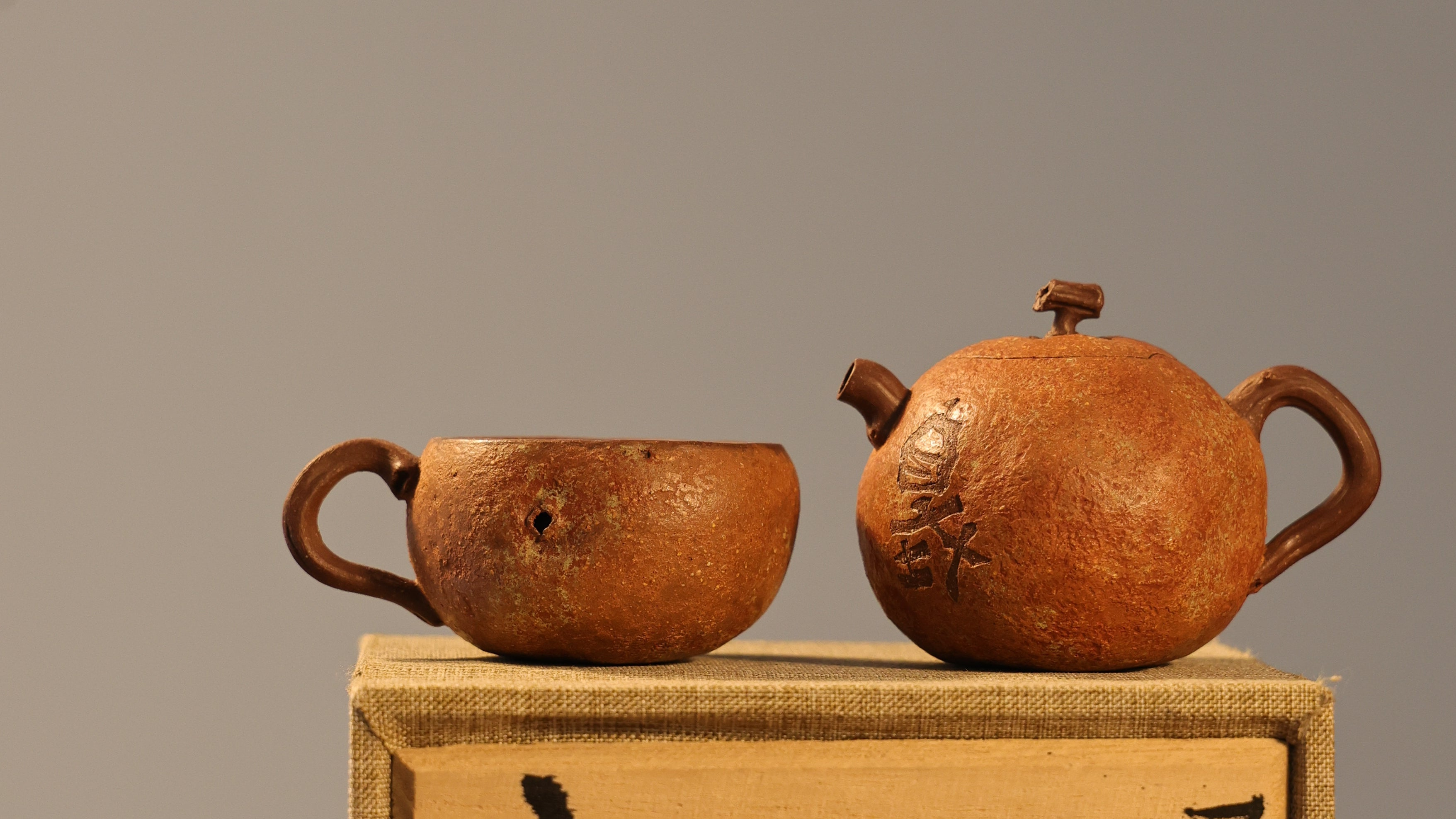
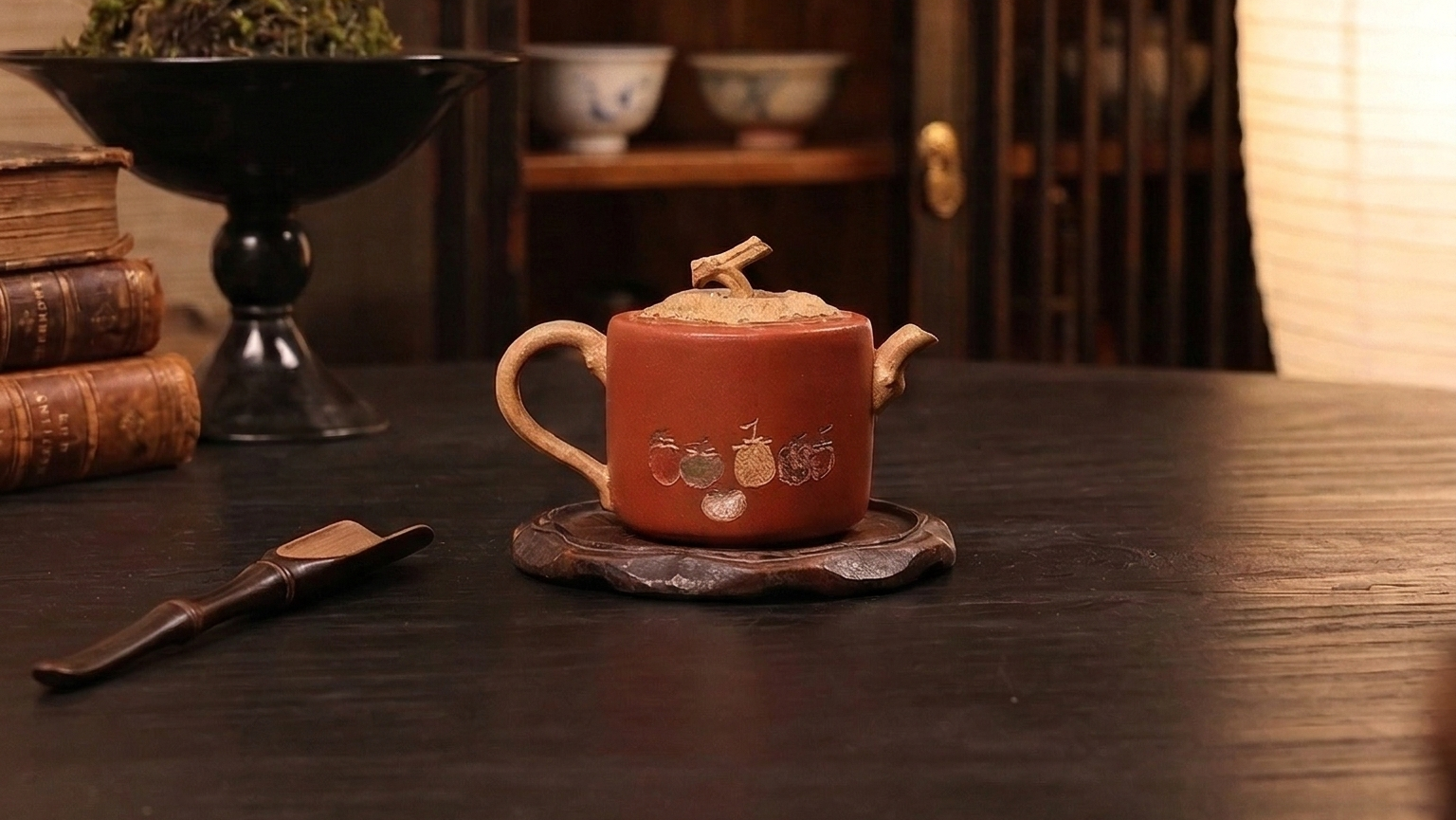
Following epochs, collectors have been ensnared by the one-of-a-kind charm of Yixing Zisha pitchers. Originating from the province of Yixing in the eastern province, these implements are renowned for their prominent beauty, extraordinary clay, and congenital ability to enhance the flavor of the brew. The earth's distinctive reddish-purple hue, combined with the talented handiwork of native craftsmen, creates pieces that are simultaneously functional designs and cherished holdings. Purchasing a Zisha teapot is more than just one purchase; it's accepting a rich heritage heritage.
Exploring Yixing Teapots: Origins, Varieties, and Value
The Yixing teapots represent a rich history deeply intertwined with Chinese culture. Starting in the Yixing region of Jiangsu province, these clay vessels exhibit a heritage connecting back to the Ming Dynasty. Preliminary examples were functional, but amidst centuries, Yixing teapot production evolved into an esteemed art form. The clay itself, known for its unique texture and ability to improve the flavor of the tea, lasts a defining factor. Yixing teapots emerge in various patterns, broadly categorized by shape: Traditional such as Zhuni (purple clay) and Bisheng, as well as more designs. The significance of a Yixing teapot rests on several factors, including the potter’s renown, the age of the piece, the rarity of the clay, and its aesthetic quality.- Story: Old ages
- Earth: Various types
- Worth Components: Potter’s reputation
Zisha Craftsmanship: Craft and Artisans
This development of a legitimate Zisha teapot is a intricate process, requiring decades of knowledge. Accomplished artisans meticulously gather the best Zisha clay, a distinctive earth found only in specific regions of China. Heritage-based techniques, often handed down through families, involve precise shaping, fine carving, and gradual firing in ancient incinerators. The ultimate teapot isn't merely a vessel; it's a testament to innovative vision and the serious connection between the artist and their background. Each teapot showcases the specific touch of the craftsman, resulting in a truly rare work of expression.
Eastern Vessels: Understanding the Abundant Inheritances of Yixing Area
Celebrated Yixing, positioned in Jiangsu the jurisdiction, is universally renowned for its exceptional containers – a tangible representation of centuries of Chinese culture. These Purple Clay Teapot aren't merely vessels for creating tea; they are intricate works of artistry, often reflecting spiritual ideals. A unique purple clay, known as Zisha, possesses distinctive qualities: the compound dense, porous, and imparts a subtle note to the tea.
- Multitudinous families have honed the techniques of Yixing vessel making, passing down cherished methods through ages.
- Connoisseurs prize these pieces for their grace and rarity.
- Several jar tells a anecdote, connecting the enjoyer to a rich background.
Acquiring Yixing Zisha: Crucial Elements
At the time of studying purchasing Yixing Zisha clayware, numerous points involve careful attention. Initially, the soil's pigment is paramount; authentic Zisha traditionally exhibits a distinct reddish tinge. Additionally, investigate the execution; exacting traits and a clean veneer indicate skillful workmanship. Lastly, investigate the potter's background; esteemed names bring increased premiums and often guarantee a stable return.
Zisha Pot Techniques for Tea Brewing
Infusing sumptuous tea with a Zisha urn is more beyond a simple procedure; it's an discipline. Zisha clay, known for its unique earthen composition, imparts a subtle character to the made tea that’s often deficient with other implements. The ideal water level is crucial; typically, milder than what's used for black tea, to preserve the tea's smell and quality. Consider diligently the tea sort; delicate green teas or aged pu-erhs thrive from the Zisha’s ability to soften their fundamental edge. It’s critical to preheat the teapot ahead of brewing, and to avoid over-steeping. Mastering this procedure leads to a veritably exceptional tea occasion.
- Understanding Zisha Clay
- Thermal Measure & Tea Sort
- Role of Pre-treatment
Protecting Your The Kettle
With the aim of prolong the life of your esteemed Yixing vessel, ongoing servicing is truly key. Abstain from using detergent; instead, tenderly flush it with warm aqueous substance. Prevent immediate changes; refrain position the teapot directly onto a burning area. Periodically, enrich the vessel by filtering it with excellent specialty beverage, as this promotes to boost its flavor and conserves the inherent merits of the substance.
Dealing with Soil to Drinkware: The Path of a Famous Teapot
This creation of a Zisha teapot is a notable technique, a indication to both the land’s bounty and the finesse of the craftsperson. It originates with the exact extraction of the singular clay from the burgundy Zisha mines near Yixing. This untreated material, known for its superlative characteristics, is then carefully distilled and ready for the original forming. The urn’s form is adeptly assembled using a combination of time-honored molding practices, often incorporating complex motifs. Following aging, the jug undergoes a critical first firing, preceded by a varnishing stage, which might involve countless layers of natural Zisha coatings. Finally, a second, and sometimes third, firing at elevated temperatures finishes the manufacture, revealing its resolved beauty and exceptional characteristics - a genuine masterpiece, prepared to adorn a tea tradition.
{Yixing Teapots: A Reflection of a Culture and Appreciation
The Yixing region teapots, originating from the well-known Yixing region of Jiangsu province, are far more than mere wares for brewing elixirs; they represent a meaningful aspect of Chinese civilization. Fabricated from distinctive purple clay – zisha – these special teapots are highly appreciated for their ability to amplify the flavor of the tea and, crucially, for their splendor. The history of Yixing teapot making spans centuries, and the skill involved is passed down through generations, making each teapot a work of art that embodies time-honored techniques and a profound appreciation for the understated pleasures in life.