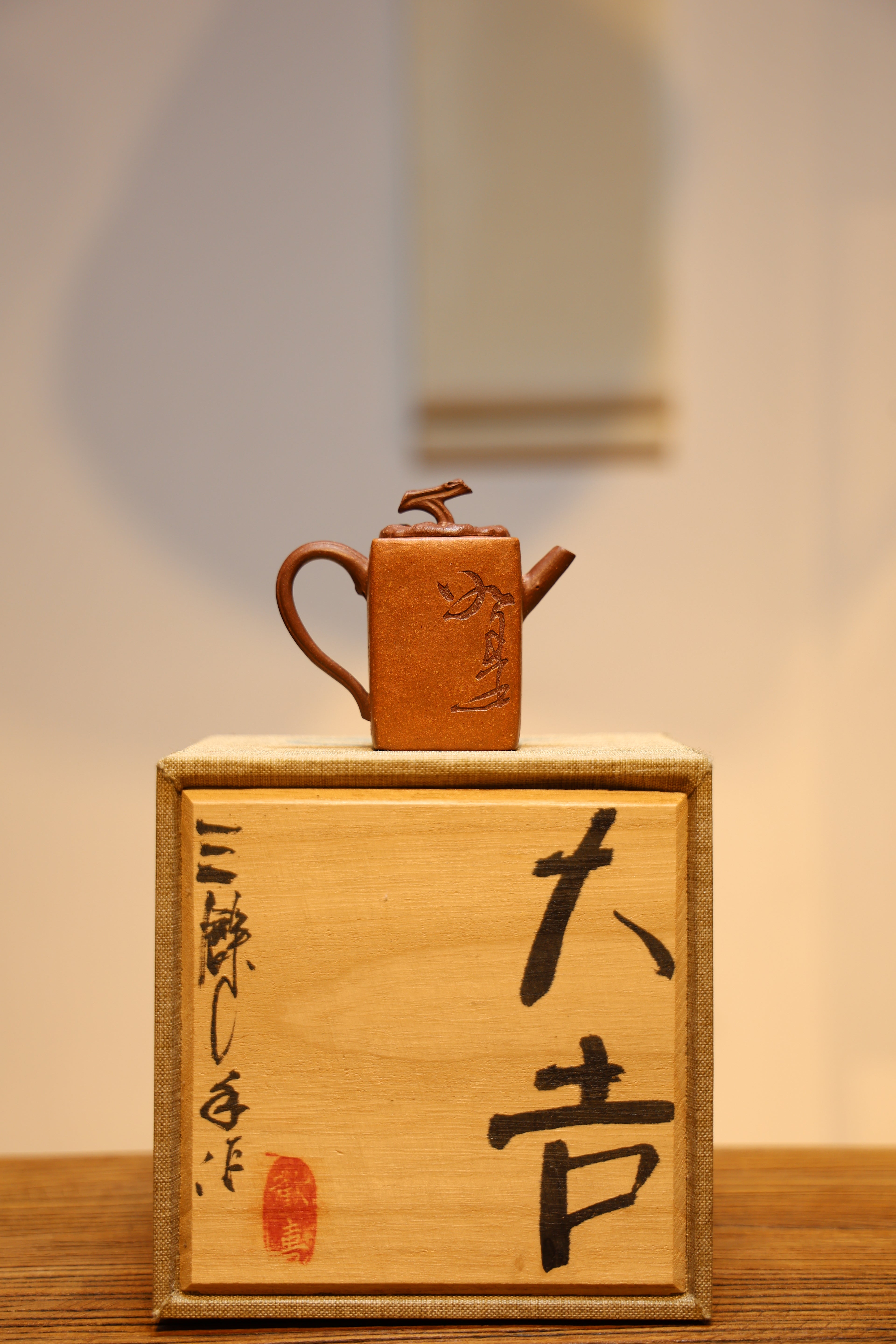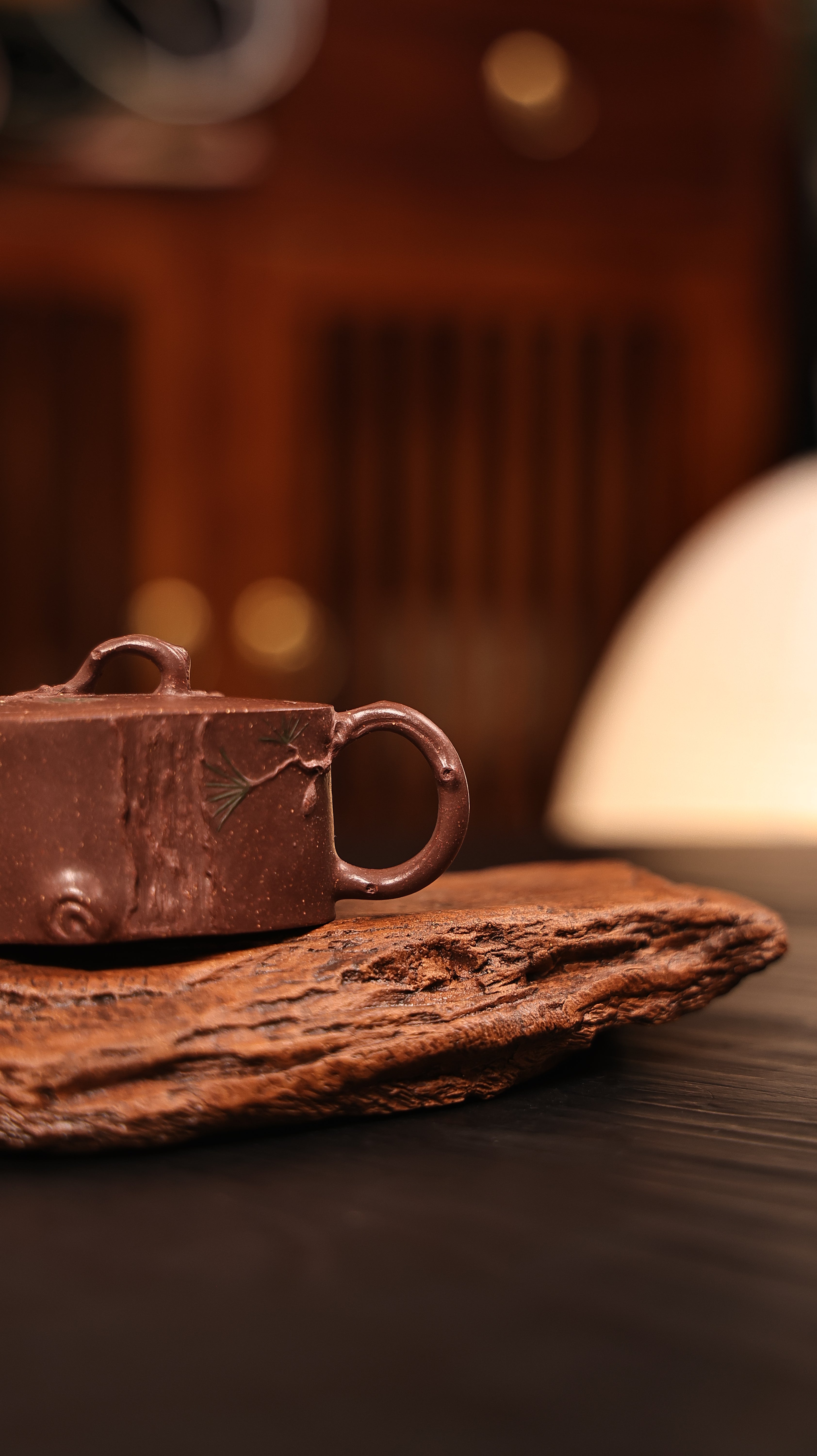
Across age-old chronicles,
Throughout decades, collectors have been ensnared by the one-of-a-kind charm of Yixing Zisha pots. Originating from the province of Yixing in the Chinese province, these objects are renowned for their preeminent beauty, exclusive clay, and built-in ability to refine the note of the brew. The soil's distinctive reddish-purple hue, combined with the talented handiwork of indigenous artisans, creates pieces that are simultaneously functional crafts and esteemed valuables. Gaining a Zisha teapot is more than just certain purchase; it's welcoming a rich legacy heritage.
Unraveling Yixing Teapots: Chronicles, Classifications, and Significance
The notable Yixing teapots stand as a profound legacy deeply intertwined with Chinese culture. Stemming in the Yixing region of Jiangsu province, these clay vessels possess a heritage stretching back to the Ming Dynasty. Initial examples were functional, but over centuries, Yixing teapot building evolved into an esteemed art form. The clay itself, known for its unique vitality and ability to raise the flavor of the tea, endures a defining factor. Yixing teapots appear in various forms, broadly categorized by shape: Classic such as Zhuni (purple clay) and Bisheng, as well as refined designs. The merit of a Yixing teapot varies on several factors, including the potter’s fame, the age of the piece, the rarity of the clay, and its aesthetic elegance.- Account: Ancient times
- Substance: Bisheng
- Value Factors: Potter’s reputation
Zisha Pot Creation: Strategies and Potters
Such development of a legitimate Zisha teapot is a demanding process, requiring decades of knowledge. Accomplished artisans meticulously gather the best Zisha clay, a distinctive earth found only in specific regions of China. Heritage-based techniques, often handed down through families, involve precise shaping, gentle carving, and slow firing in ancient calcining chambers. The completed teapot isn't merely a object; it's a testament to imaginative vision and the deep connection between the creator and their heritage. Each product showcases the personal touch of the designer, resulting in a truly unique work of design.
The Clayware: Discovering the Broad Heritage of Yixing Province
This Yixing, found in Jiangsu Province, is worldwide renowned for its exceptional culinary pots – a tangible representation of centuries of Zisha Teapot Chinese heritage. These aren't merely vessels for manufacturing tea; they are intricate works of skill, often reflecting ideological ideals. The unique purple clay, known as Zisha, possesses extraordinary qualities: the element dense, breathable, and imparts a subtle essence to the tea.
- Multitudinous dynasties have honed the techniques of Yixing jar making, passing down exclusive methods through ages.
- Devotees prize these pieces for their grace and scarcity.
- A number of urn tells a history, connecting the imbiber to a rich past.
Investing in Yixing Zisha: Crucial Elements
Upon considering acquiring Yixing Zisha pots, diverse components demand careful evaluation. Primarily, the component's complexion is significant; authentic Zisha generally exhibits a particular carmine depth. Also, evaluate the craftsmanship; precise features and a elegant overlay demonstrate accomplished production. At last, study the fabricator's profile; distinguished names draw boosted amounts and often supply a reliable profit.
Brewing Excellence with Zisha Teapots
Steeping savory tea with a Zisha container is more above a simple method; it's an discipline. Zisha clay, celebrated for its unique mineral composition, imparts a elegant character to the crafted tea that’s often deficient with other utensils. The ideal water degree is essential; typically, lower than what's used for black tea, to protect the tea's essence and note. Consider meticulously the tea selection; delicate green teas or aged pu-erhs benefit from the Zisha’s ability to reduce their primitive edge. It’s essential to cleanse the teapot before brewing, and to neglect over-steeping. Mastering this craft leads to a sincerely exceptional tea enjoyment.
- Recognizing Zisha Clay
- Temperature Control & Tea Category
- Criticality of Initial Heating
Preserving Your Yixing Ceramic Pot
With the aim of guarantee the life of your cherished Yixing clay pot, systematic servicing is vitally required. Avoid using soap; instead, lightly clean it with pleasantly heated moisture. Steer clear of sharp shifts; refrain set the urn directly onto a scorching surface. Periodically, enhance the teapot by percolating it with fine matured brew, as this facilitates to enhance its nature and safeguards the peculiar attributes of the component.
Regarding Earth to Cup: The Progression of a Classic Brewing Device
Such creation of a Zisha teapot is a astonishing operation, a testament to both the globe's bounty and the mastery of the maker. It launches with the careful extraction of the exclusive clay from the crimson Zisha mines around Yixing. This virgin material, known for its exquisite features, is then methodically clarified and shaped for the preliminary forming. The bottle’s design is artfully formed using a combination of time-honored sculpting practices, often incorporating complex motifs. Following aging, the vessel undergoes a essential first firing, accompanied by a dressing stage, which might involve countless layers of natural Zisha coatings. Finally, a second, and sometimes third, firing at elevated temperatures finishes the manufacture, revealing its resolved beauty and exceptional characteristics - a genuine masterpiece, set to beautify a tea tradition.
{Yixing Teapots: A Exemplar of a Culture and Admiration
The Yixing region teapots, originating from the well-known Yixing region of Jiangsu province, are far more than mere wares for brewing liquids; they represent a meaningful aspect of Chinese society. Manufactured from distinctive purple clay – zisha – these distinctive teapots are highly prized for their ability to enhance the flavor of the tea and, crucially, for their beauty. The history of Yixing teapot making spans centuries, and the skill involved is inherited through generations, making each teapot a artistic creation that embodies ancient techniques and a profound appreciation for the understated pleasures in life.