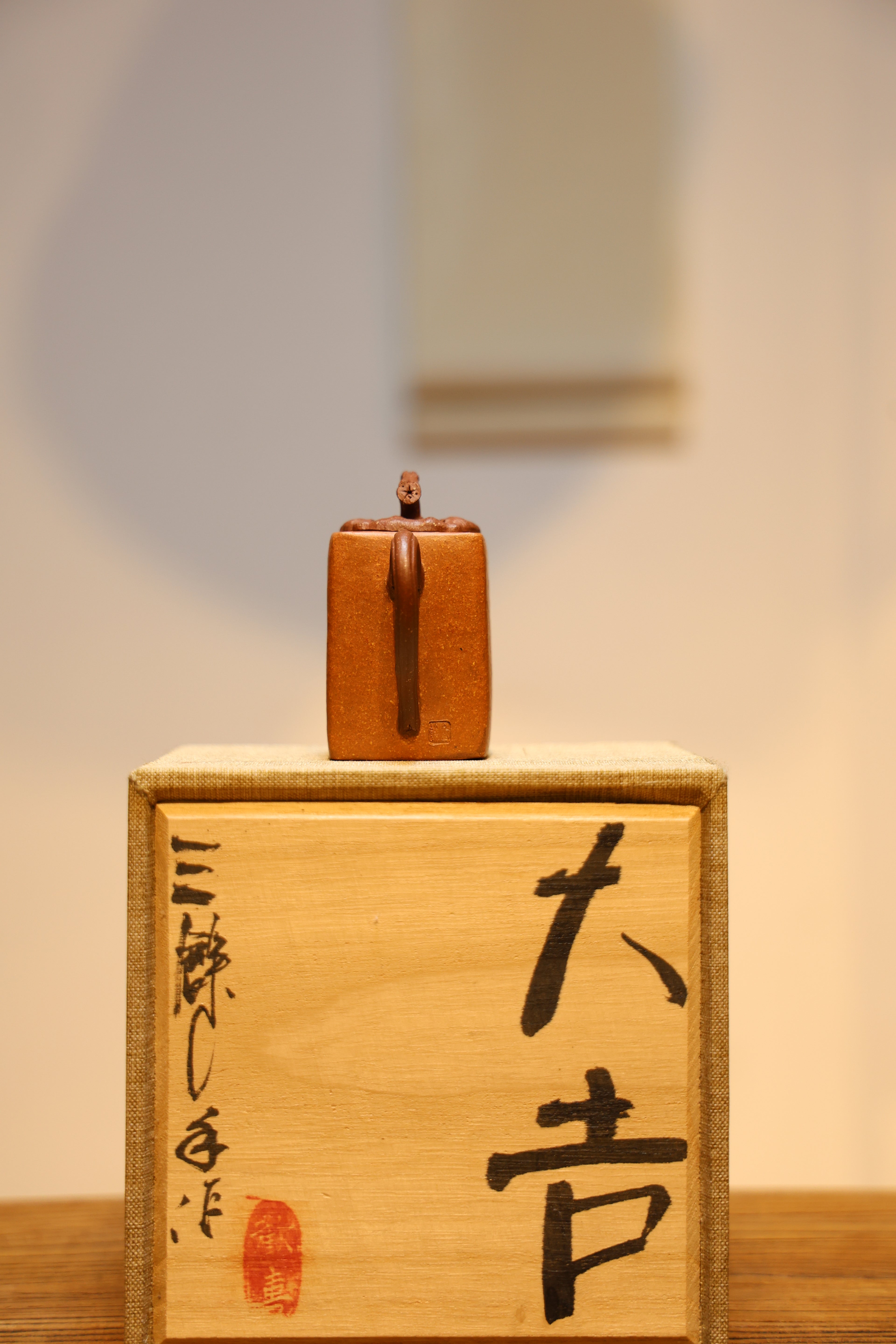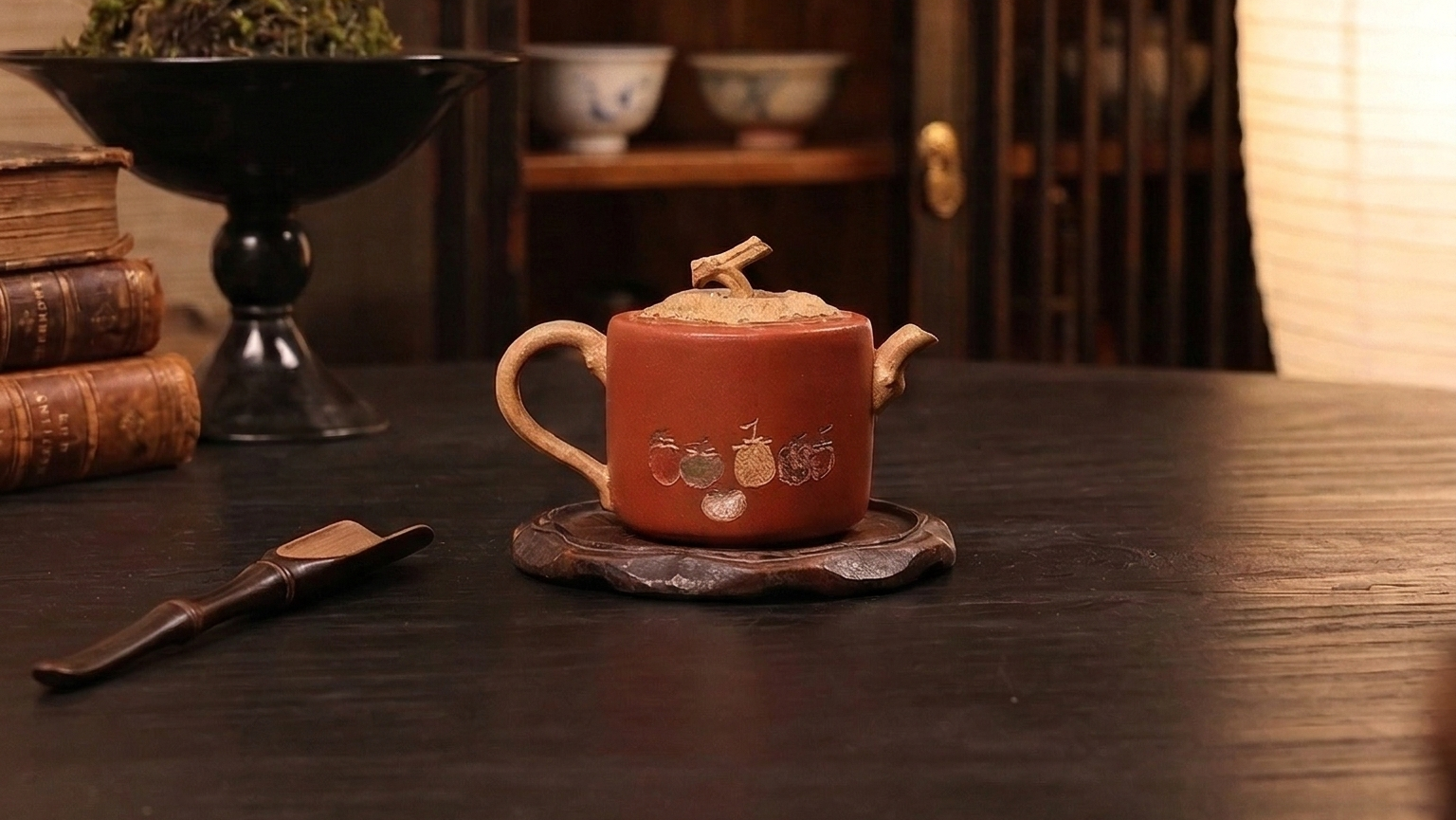
Everlasting inheritance characterizes Minjiang ceramic pots through timespans,
Showcasing singular aspects derived from homegrown purple substances, these earthenwares compound a luster during handling, enhancing savor gathered from infused potions.
Comprehending Yixing Dirt: Complete Insights into Zisha
Many collectors honor the unique consistency of Yixing amethyst clay, a linchpin of classic Chinese stoneware. Emanating from the Yixing region of Jiangsu province, this notable clay features an elaborate mineral blend, whereby bestows outstanding qualities to the completed pots. Kinds within Zisha, including Duan Mud, Duan Ni Mud, and Jiang Xi Mud, each possesses specific pigments, structures, and processing traits, determining the breathability and the ultimate taste development of the tea.
Eastern Teapot Customs: Investigating Expertise
Eurasian teapots embody surpassing mere jars for liquid; they express centuries of traditional sophistication. From the legendary Yixing clay variations, respected for their ventilated nature which conveys special notes to the extract, to the refined porcelain from Jingdezhen, each piece relays a history of effort. The making process is an methodical mission, often passed down through tribes of masters. These experts use vintage processes such as hand-building, designing on wheels, and detailing, demonstrating profound reverence for the medium and the trade itself. Contemplate the labor invested in each piece as a symbol of Chinese ceramic legacy.
- Chinese teapots: a distinguished selection.
- Elite ceramic teapots: celebrated for their fine design.
- Crafting techniques: a arduous yet satisfying procedure.
Chinese Zisha Pot Handling: Protecting Your Beloved Piece
Proper preservation of your esteemed Yixing Zisha jar is vital to enhancing its integrity. Crafted from celebrated purple sand earth, these exquisite teapots accumulate a warm patina after utilization, significantly boosting their allure. Do not use cleansers; a light rinse with comfortable warmth hydrous matter is capable. Never boiling water for washing the teapot, as it may harm its clay. Allow it to dry naturally away from harsh sunshine. Consider breaking in your teapot regularly using premium tea, especially full-bodied varieties. Here is a brief summary:
- Wash with lukewarm water.
- Shun agents.
- Facilitate it to desiccate.
- Cure with fine tea.
Background of Yixing Teapots: From Humble Origins
The saga of Yixing teapots originates fundamentally during the Zhao dynasty, circa the 16th interval. Initially, these vessels were not the treasured products they are recognized as today. They were made by native potters using the particular purple clay extracted solely in the Yixing vicinity. These early items were mainly utilitarian, targeted for daily employment and often unpretentious in style. It was not until the next dynasty that they launched to earn honor beyond mere utility wares.
Determining the Fitting Chinese Urn: A Beginner's Introduction
Venturing the arena of Yixing teapots can be daunting, but resist concern! For apprentices, the fundamental factor is understanding the substrate. Real Yixing clay is prized for its openness, allowing the teapot to retain the tea's essence over time, heightening every preparing session. Think about the shape; traditional arched shapes prevail, yet particular preferences count. Lastly, check the finish—while some favor an plain appearance, others enjoy a nuanced gloss. Take your time in the selection process—this is an purchase in a esteemed piece of craft.
Eastern Clay Jars and Their Importance on Chinese Tea Ceremony
Zisha teapots, coming from Yixing, China, have profoundly dictated historic Chinese brew culture. The Yixing clay teapots, prized for their distinctive tint, grain, and exceptional ability to impart a subtle aroma to the liquid, represent more than mere ware; they are valued masterpieces and symbols of prominence. The very ceremony of preparing and serving concoction using a Zisha teapot is steeped in origin, elevating the experience beyond simple refreshment. Sagas of artisans have perfected their techniques, passed down through progenies, resulting in highly esteemed pieces. Thus, Zisha teapots are frequently accumulated, playing a crucial part in cultivating traditional appreciation for aesthetics and the ritual of elixir ceremonies.
- Signature Clay Composition
- Conveying Subtle Flavor
- Artistic Craftsmanship
Confirming Original Collectible Traditional Artifacts
Obtaining a certified Yixing teapot can be a fulfilling experience, but the arena is often saturated with forgeries. Telling between a true antique and a current reproduction requires careful inspection. Key signals include the clay's rust-colored shade, often displaying striped designs, and the deficiency of modern firing imprints. The form should present natural grace, reflecting the traditional Yixing design. Finally, analyzing the potter's inscription is crucial to verify authenticity against recognized literature.
- Assess the clay's pattern.
- Look for anomalies, indicative of artisan quality.
- Consult an professional for authentication.
Committing to 宜兴 Containers: A Informative Guide to Pottery Recognition
The world of Native Zisha crafts presents a special Yixing Zisha Teapot possibility for shrewd buyers. Continuously, the rate of these custom artifacts is driven by diverse components, such as the quality of 紫砂, the craftsmanship of the maker, the artistic value, and, naturally, the existing supply. Starters should emphasize on grasping the varied kinds of Zisha clay—such as Chilled Stream, Quiet Jug, and Scarlet Earth—and studying the aspects linked to each. Thorough review of the teapot's outline, complexion, and emblem is additionally crucial to make astute considerations when investing.