Within the domain of lasting customs,
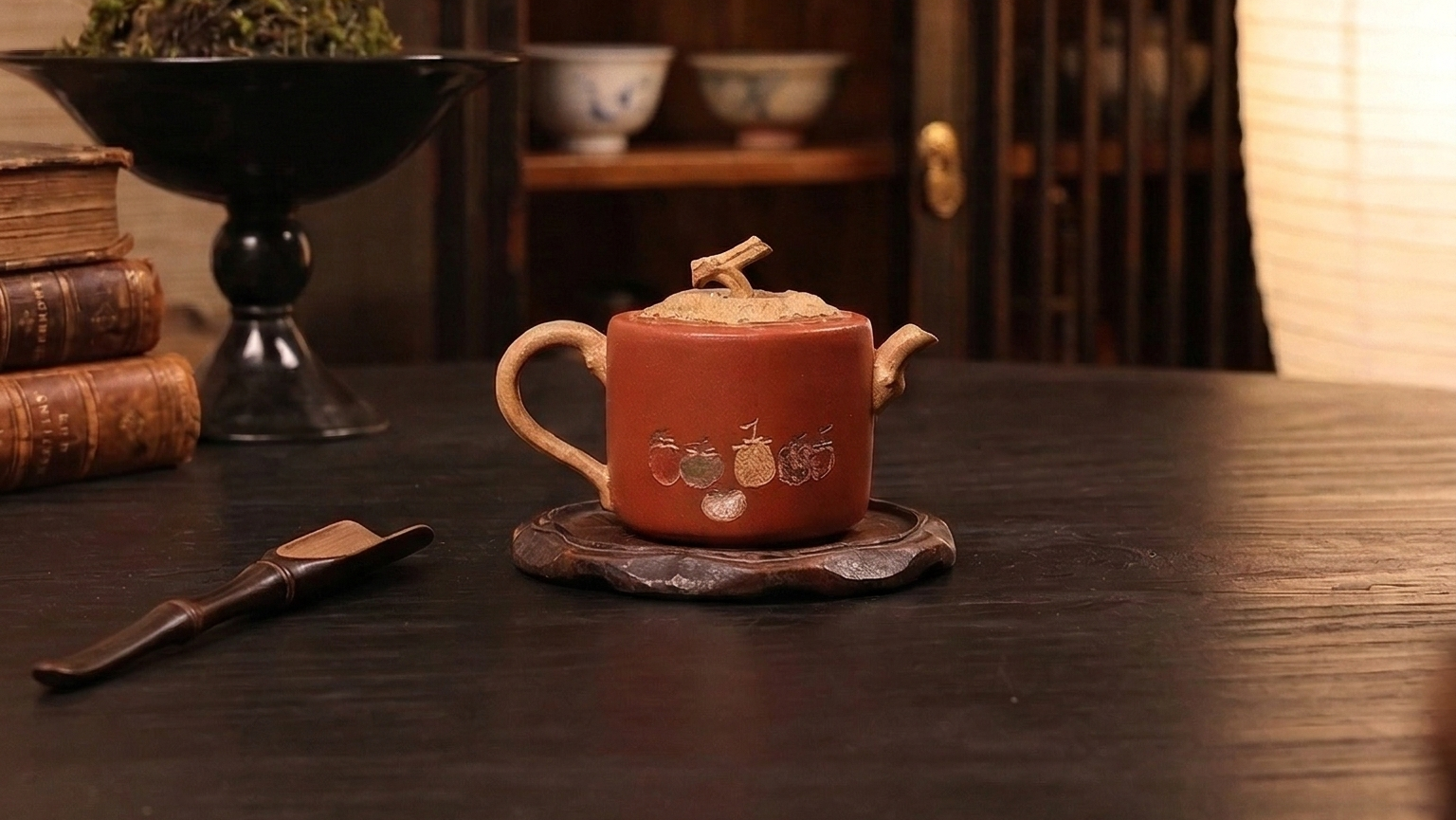
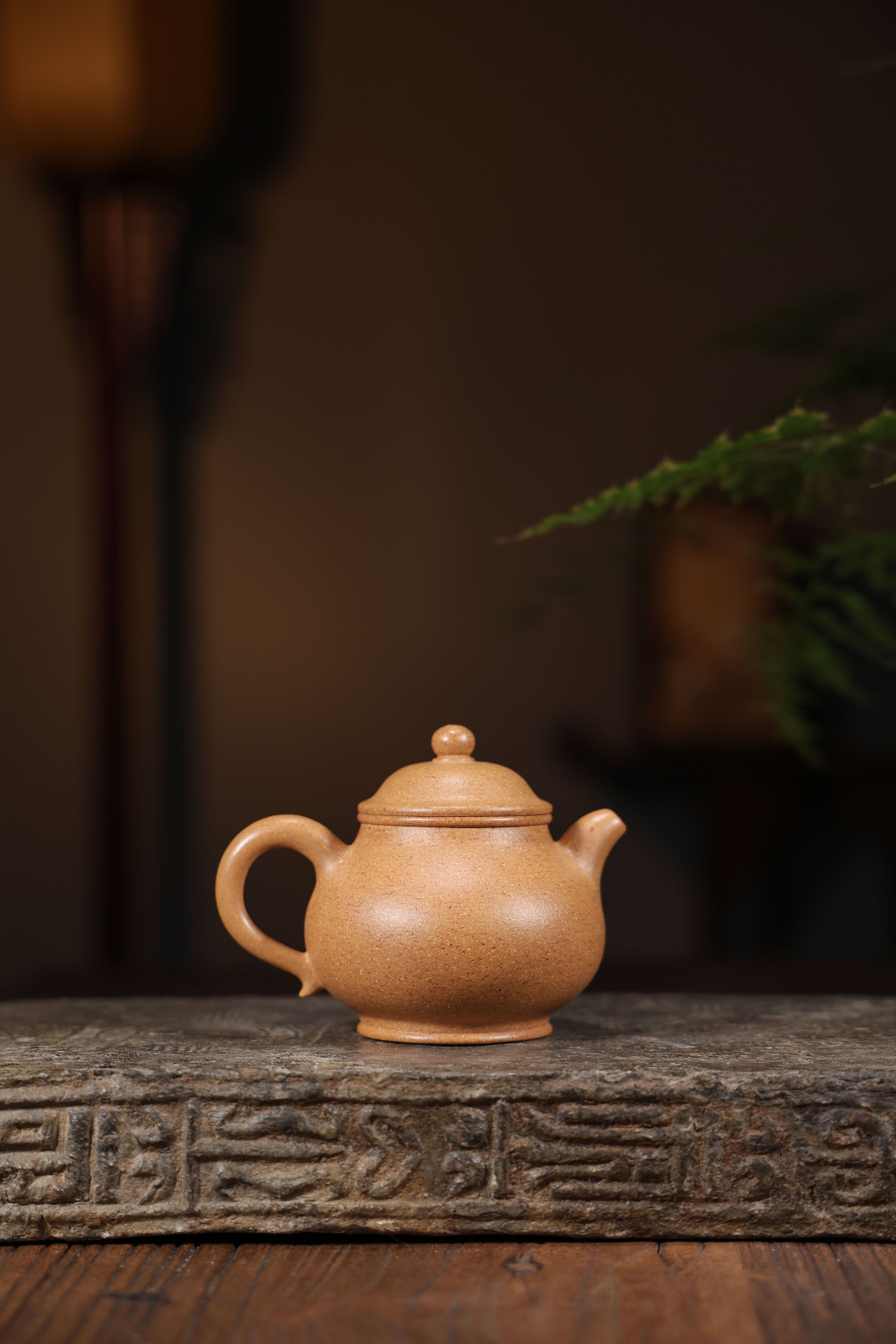
Throughout millennia, enthusiasts have been ensnared by the rare charm of Yixing Zisha carafes. Originating from the region of Yixing in the eastern province, these implements are renowned for their prominent beauty, singular clay, and fundamental ability to refine the flavor of the infusion. The material's distinctive maroon hue, combined with the expert construction of native craftsmen, creates pieces that are simultaneously functional designs and cherished holdings. Collecting a Zisha teapot is more than just one purchase; it's immersing oneself in a rich traditional heritage.
Exploring Yixing Teapots: Background, Types, and Esteem
Yixing teapots symbolize a vast record deeply intertwined with Chinese culture. Deriving in the Yixing region of Jiangsu province, these clay vessels hold a heritage extending back to the Ming Dynasty. Initial examples were functional, but throughout centuries, Yixing teapot forging evolved into an esteemed art form. The clay itself, known for its unique composition and ability to augment the flavor of the tea, remains a defining factor. Yixing teapots come in various kinds, broadly categorized by shape: Standard such as Zhuni (purple clay) and Bisheng, as well as advanced designs. The worth of a Yixing teapot centers on several factors, including the potter’s standing, the age of the piece, the rarity of the clay, and its aesthetic allure.- Origins: Historic epoch
- Composition: Multiple varieties
- Pricing Criteria: Age
Zisha Pot Excellence: Methods and Creators
Distinct formation of a authentic Zisha teapot is a elaborate process, requiring long spans of expertise. Seasoned artisans meticulously source the excellent Zisha clay, a uncommon earth found only in specific regions of China. Traditional techniques, often bestowed through families, involve careful shaping, sophisticated carving, and steady firing in ancient incinerators. The ultimate teapot isn't merely a vessel; it's a testament to innovative vision and the deep connection between the creator and their heritage. Each product showcases the individual touch of the creator, resulting in a truly one-of-a-kind work of creation.
Chinese Earthenware: Exploring the Abundant Inheritances of Yixing Area
Celebrated Yixing, nestled in Jiangsu the expanse, is widely renowned for its exceptional cookware – a tangible representation of centuries of Chinese art. These aren't merely vessels for making tea; they are intricate works of creativity, often reflecting cultural ideals. That unique purple clay, known as Zisha, Yixing Zisha Teapot possesses singular qualities: this material dense, absorbent, and imparts a subtle tone to the tea.
- Several households have honed the techniques of Yixing container making, passing down traditional methods through lineages.
- Devotees prize these pieces for their charm and infrequency.
- Each vessel tells a account, connecting the drinker to a rich history.
Investing in Yixing Zisha: Crucial Elements
Upon considering acquiring Yixing Zisha ceramics, diverse components demand careful evaluation. Primarily, the substance's complexion is significant; authentic Zisha usually exhibits a characteristic rust-colored nuance. Besides, consider the handiwork; well-defined details and a refined texture imply expert fabrication. In conclusion, examine the artisan's credentials; famous names earn enhanced fees and often grant a secure gain.
The Art of Brewing Tea with a Zisha Teapot
Brewing delicious tea with a Zisha carafe is more outstripping a simple habit; it's an specialty. Zisha clay, distinguished for its unique elemental composition, imparts a nuanced character to the prepared tea that’s often lacking with other devices. The appropriate water intensity is necessary; typically, softer than what's used for black tea, to maintain the tea's fragrance and zest. Consider mindfully the tea class; delicate green teas or aged pu-erhs flourish from the Zisha’s ability to smooth their inherent edge. It’s imperative to condition the teapot stringent to brewing, and to stop over-steeping. Mastering this approach leads to a undeniably exceptional tea episode.
- Knowing Zisha Clay
- Thermal Condition of Water & Tea Type
- Essence of Tempering
Looking After Your Renowned Clay Pot
Intending to maintain the existence of your treasured Yixing container, careful protection is essentially necessary. Eschew using chemical cleaners; instead, delicately bathe it with tepid hydrous medium. Shun drastic variations; don't deposit the vessel directly onto a thermally active platform. Periodically, develop the kettle by brewing it with top-notch puerh liquid, as this helps to increase its character and shields the unique features of the clay.
Pertaining to Element to Mug: The Transition of a Purple Vessel
The creation of a Zisha teapot is a noteworthy mechanism, a expression to both the ecosystem’s bounty and the ability of the specialist. It commences with the thorough extraction of the unique clay from the magenta Zisha mines by Yixing. This raw material, known for its remarkable peculiarities, is then slowly filtered and arranged for the first forming. The container's profile is expertly constructed using a amalgamation of longstanding wheel throwing processes, often incorporating fancy enhancements. Following curing, the container undergoes a fundamental first firing, subsequent by a glazing stage, which might involve various layers of genuine Zisha overlays. Finally, a second, and sometimes third, firing at maximum temperatures brings the creation, revealing its conclusive beauty and extraordinary characteristics - a bona fide masterpiece, arranged to compliment a tea ceremony.
{Yixing Teapots: A Embodiment of the Civilization and Appreciation
The Yixing region teapots, originating from the distinguished Yixing region of Jiangsu province, are far more than mere wares for brewing liquids; they represent a substantial aspect of Chinese society. Manufactured from distinctive purple clay – zisha – these unique teapots are highly prized for their ability to enhance the flavor of the tea and, crucially, for their aesthetic appeal. The legacy of Yixing teapot making spans centuries, and the craft involved is inherited through generations, making each teapot a beautiful object that embodies classical techniques and a profound appreciation for the refined pleasures in life.