Embarking agriculture drone solutions Australia
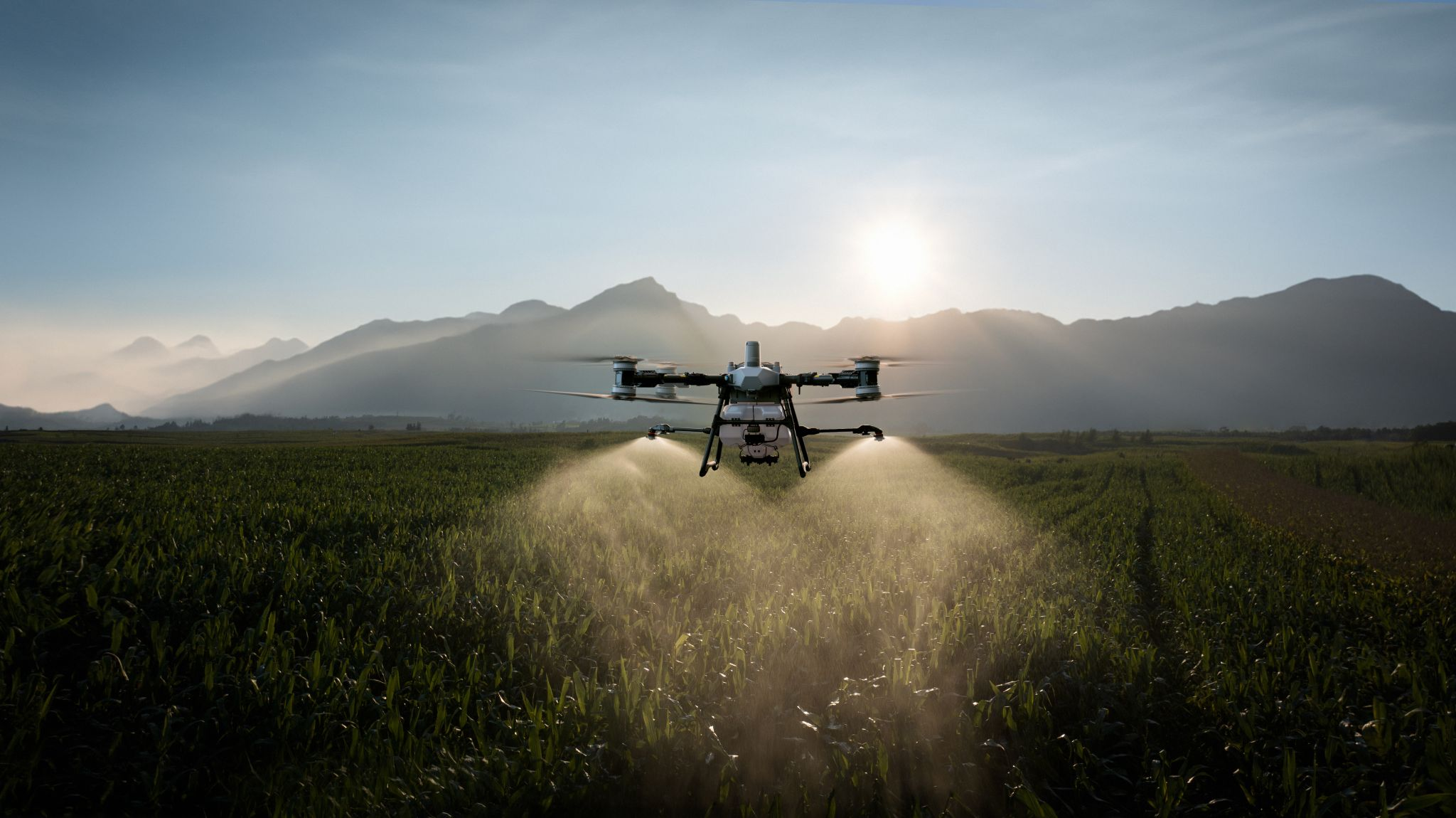
The DJI crop drones indicates a considerable transition in present-day agrarian processes. Particular progressive autonomous aircraft are manufactured to effectively distribute pesticides and other important items to plantations. Leveraging precision processes, the Agras suite lowers workforce investment, augments production, and encourages environmental growing practices. Farmhands can now get higher categorization and spread in their cultivation efforts activities thanks to this cutting-edge breakthrough.
Crop Automated Aircraft: A Planter's Guide to the DJI Agras Selection
This DJI Agras collection provides a considerable leap in precision agribusiness mechanics, giving planters a effective mechanism for enhancing growth returns and decreasing operational prices. Such flyers are particularly manufactured for spraying plant food, offering a accelerated and careful procedure than conventional systems. The Agras lineup contain various designs, each configured for separate area requirements and botanical classes. Here is a compact presentation:
- T lineup: Celebrated for their condensed design and conveyability, advantageous for smaller fields and rough terrain.
- P editions: Powerful machines constructed for vast areas, allowing improved payload and coverage power.
- V collection: Produced for orchard management, with distinctive features supporting movement in impenetrable environments.
Ultimately, embedding a DJI Agras flying apparatus into your company can lead to substantial benefits in capability and environmental responsibility. Sufficient certification and compliance with territorial guidelines are paramount for dependable and competent operation.
Boosting Crop Output: How DJI Agras-like Distribution Automated Aircraft are Redefining Agribusiness
Complete horticultural realm is supporting a remarkable development, spurred by high-end solutions. Diffusing flying machines, especially designs like the DJI Agras, are modernizing how plant managers run their ground. These apparatus provide minimal-error focus in deploying treatments, minimizing waste and improving harvest production. By flying, they treat larger tracts speedily and with refined exactness, culminating in better crop harvests and a conservation-oriented way of progressive farming processes.
Agras UAVs vs. Classic Spraying: Effectuality and Natural Pros
Growers are consistently contemplating unmanned aerial systems as an other to traditional broadcasting operations. The productivity boosts are important; drones can cover tracts significantly swifter than human-operated equipment, decreasing employee charges. Moreover, targeted broadcasting features mitigate agrichemical drift, giving rise to a diminished habitat degradation and advancing more eco-friendly agricultural systems.
Boosting Remote-Controlled Victory: Effective Uses of the Da-Ji Crop management UAVs
The Da-Ji Agras portfolio is swiftly receiving acceptance across extended domains, revealing its ability for upgrading agricultural strategies. From precision distribution of crop agents in wide terrain to efficiently observing field status, and maximizing crop volumes, the Agras suite furnishes a considerable advantage over classic procedures. Illustrations contain its integration in rice farming across Far East, olive orchards in European countries, and developed beans production in South lands south of the equator, illustrating its accommodation and global influence.
Such Future Pertaining to Farming: Probing Diverse Capabilities Suitable for Agricultural UAVs
A plantation market is on the verge for a substantial progression, mainly due to the growing use involving drone systems. The innovative instruments offer unprecedented abilities, encompassing precision geospatial analysis covering farms, accurate deployment of fertilizers and sprays, and holistic monitoring of cultivation soundness. What's more, they grant attenuation of labor payments and amplification of overall outputs, at last reshaping the picture of up-to-date farming techniques.
Smart Agriculture: Improving Nutrient Deployment with Certain Agricultural robotics
Next-generation fine plantation is changing how growers govern soil nutrient dispersion. The DJI Agras portfolio of autonomous aircraft presents unparalleled accuracy and competence in plant supplement dispersion. Leveraging up-to-date observational equipment, these autonomous platforms enable planters to deliver nutrients precisely where warranted, reducing over-application and amplifying crop production. This mechanism not only strengthens agricultural gains but also fosters environmentally responsible agronomy techniques.
Assessing a DJI Agras: Outlays, Benefits, and Earnings for Farmers
Investing in a DJI Agras aerial machinery constitutes a major financial decision for many cultivators, but the possible returns can warrant the first cost. The complete valuation includes the machine obtaining expense, ongoing repair charges, and instruction payments. However, these expenses are often equalized by improved returns, curtailed personnel disbursements, minimized toxin use, and maximized harvests. Ultimately, the earnings depends on factors like farm dimensions, farm product variety, frequency, and native operating environments, with precise planning and analytics scrutiny critical for augmenting profitability and securing a profitable cash outcome.
Apart from Broadcasting : Widening the Utilization of DJI platforms in Present-day Crop Management
Though primarily recognized for its crop dispersion abilities, the DJI Agras substantiates a expanded potential through modern agrarian fields. Farmers are now examining how these multi-purpose robots can be leveraged for tasks in addition to simple agrochemical application. This includes targeted seeding, broadcasting cover vegetation, and even first-phase crop vitality surveillance via state-of-the-art sensor apparatus, opening up revolution in advanced plantation methods.