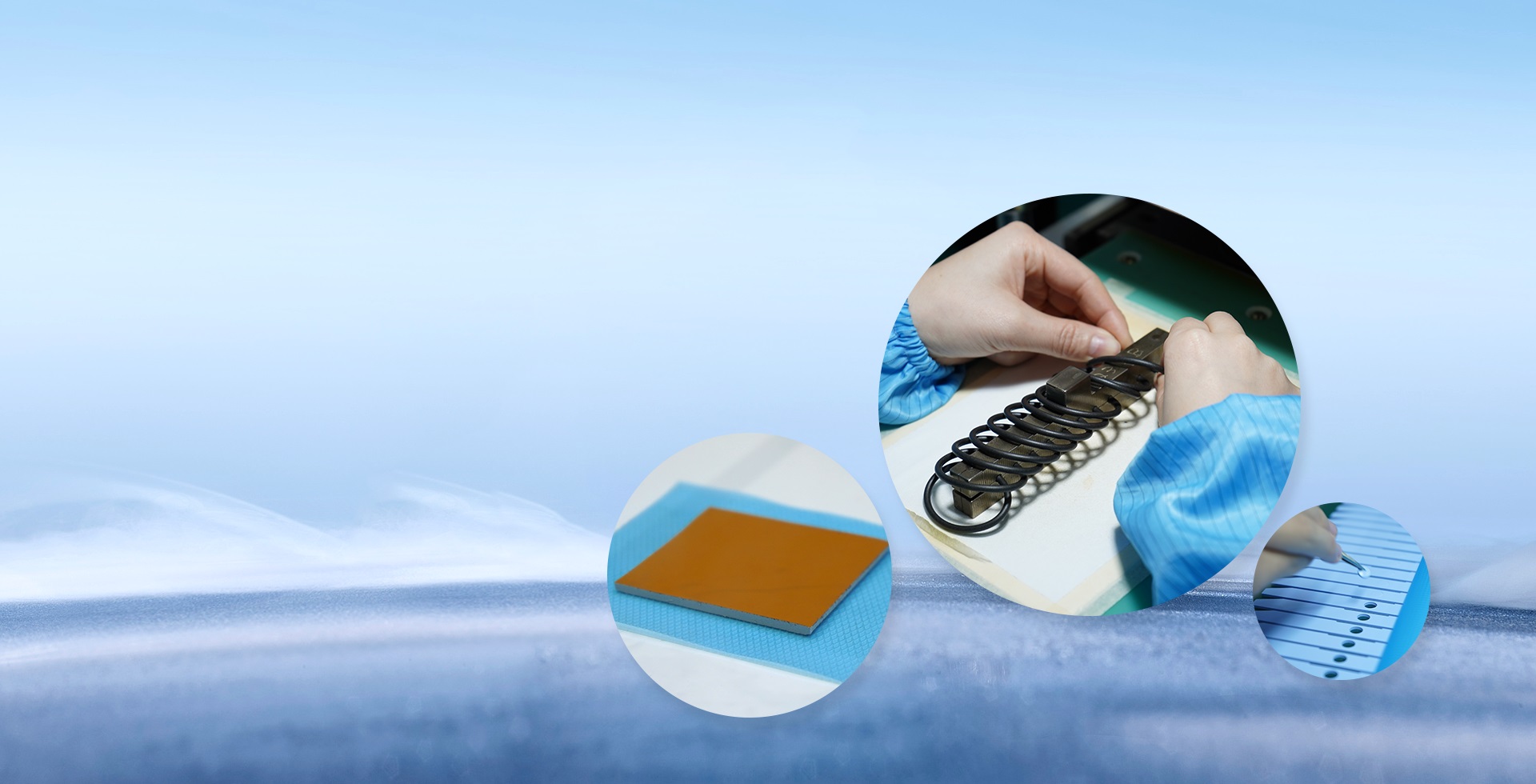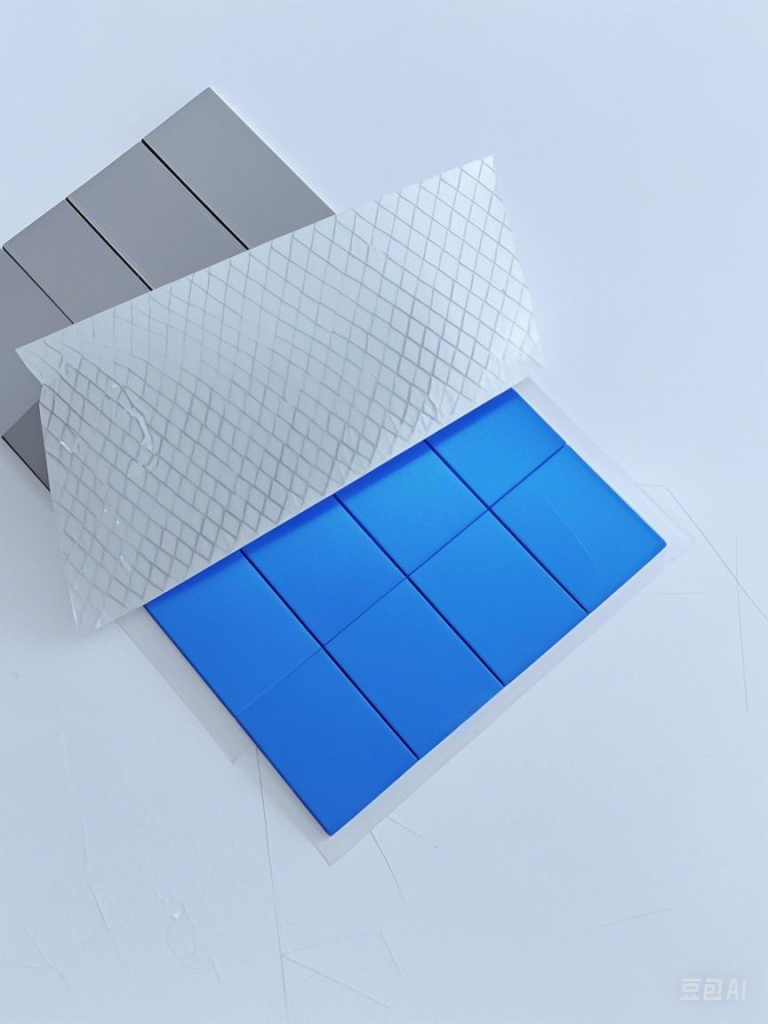
Initiating the present exposition features information regarding dimethyl polysiloxane paired with electron-flowing silicone rubber seals for EMI shielding blocking.
Siloxane elastomer compounds are broadly employed aimed at adaptable functions on account of their superior sturdiness and elemental immunity. Yet, their intrinsic insufficiency of current carriage constrains the functionality in specific engineering implementations.
The fluorosilicone manufacturer embedding of conductive submicron additives, especially silver-coated infused inside the silicone material, forms a harmonious effect producing an electrically active connection permitting efficient signal interference mitigation.
That plans support devices to defend against unwanted RFI noise.
Shielding Device Assemblies: Certain Significance of Siloxane Polymers and Shielding Closures
Efficient coating of electronic units is paramount in challenging scenarios. PDMS, with its distinguished elasticity and elemental strength, delivers superlative aqueous protection qualities. Though for uses calling for electrical reliability, charge transporting interfaces, often made from electronically active formulations, are required essential to limit signal electrical noise and maintain dependable usage. This merge of Silicone together with electronically active closures stands for a powerful approach in obtaining sturdy efficiency in cutting-edge hardware.
Electronic Shielding Gaskets: Boosting Effectiveness through Electronically active Silver-infused Rubber in conjunction with silicone compound
{Consistent electronic electrical noise shielding components represent fundamental for covering sensitive hardware components and arrangements from unwanted discharged conveyed noise. Innovative designs often integrate a amalgamation of conductive Silicone Silicone material and Siloxane compound to obtain optimal operation. Conductive SR provides remarkable electrical charge transfer, securing a robust electrical path for dispersing interfering signals. Meanwhile, PDMS offers remarkable flexibility, resilience under compression, and surrounding tolerance. Precise material selection and configuration techniques, such as a light layer of SR within a PDMS matrix, boost both shielding performance and long-term steadfastness.
- Weigh assorted material mixtures based on purpose criteria
- Maintain precise encasing load for persistent contact
- Assess membranes regularly to assure effectiveness
The synergistic procedure leads in EMI closures that grant unparalleled protection and robustness.
Silicone elastomer Conductive SR Pads: Safeguarding Electronics from Invasion
Focusing on fragile electronic elements, EMI static could manifest as damaging effects, initiating into disruptions as well as facts damage. Silicone base electronically active silver-filled elastomer pads ensure an robust solution using furnishing the powerful shield toward like disruptions. Comparable barriers, frequently engineered using silicone base rubber embedded by electrical fillers, manufacture enhanced minimal resistance track leading to ground, eliminating signal noise besides wireless spectrum clutter wave. The pliable layout delivers a firm barrier notably around contoured faces, creating themselves appropriate intended for tasks in clinical machinery, signal transmission installations, including numerous industrial settings. Employing the Silicone elastomer electroconductive silver composite rubber interface acts as effective strategic method designed to guarantee assembly firmness alongside support working dependability.
Improving Technological Part Protection with Polydimethylsiloxane-Based EMC Suppression
Superior system unit shielding presents a major obstacle in current creation due to escalating EMI pollution. Poly-dimethylsiloxane offers a superior system when fused with metallic additives to construct sturdy EMI blocking barriers. This framework not only strengthens apparatus functionality but also diminishes potential danger of failure deriving from outside RFI threats.
Electron Flow-Based SR Augmentation in PDMS Seals for Optimized EMI Blocking
Advanced barriers fabricated from polydimethylsiloxane (PDMS), incorporating electroconductive fillers, manifest significantly improved suppression ability against electromagnetic interference (EMI). The combination of particles like carbonaceous nanotubes or nickel flakes provides a passage for electron flow distribution, thereby creating a more firm electromagnetic barrier. This conductive elevation in gasket functionality is critical for important electronic devices requiring remarkable EMI shielding in various disciplines. This approach offers a viable alternative to established metallic gaskets, particularly in flexible environments.
Opting for the Right EMI Defense Gasket: PDMS vs. Conductive SR Substitutes
Determining suitable radio frequency shielding pads obliges detailed scrutiny of various criteria. Regularly, electrically Silicone Rubber (Silicone elastomer) has stood as a popular variant; however, Poly Siloxane polymer (Siloxane compound) surfaces as a workable choice, primarily where squashing levels are confined or composition agreement is crucial. Siloxane compound grants superior suppleness and is capable of adjust to precise tolerances, even though retaining notable mitigation performance.
Innovative Protection Approaches: Silicone elastomers, Electron flow enabling SR, and Electronic devices Shielding
Advanced shielding techniques are steadily fundamental for conserving critical circuit parts. dimethyl polysiloxane, with its superior adaptability and physical endurance, extends high-quality climatic blocks. What's more, charge transporting siloxane elastomer supports static electricity release, minimizing ESD discharge events. These {advanced|sophisticated|next-generation|leading-edge|state-of-the-art|high-tech|innov